Showing posts with label reviews. Show all posts

Review by j@ck : Kia Sonet


Kia really made a mark in the mid-size SUV space with the Seltos, and now, with its compact SUV the Sonet, it’s looking for another mega hit. Like the Seltos, the Sonet is an all-new model for Kia that made its global debut right here in India and will later be sold in other markets.

It shares a platform with the Hyundai Venue, and though you’d expect the Sonet to feel the same from behind the wheel, the two Korean firms take a very divergent approach with their platform sharing. Unlike the badge-engineered or mild-facelift alterations we’ve seen others opt for, Hyundai and Kia have made sure their shared products have little in common. The exteriors and interiors bear no similarity, and both also feel a bit different to drive, thanks to subtle changes to the tuning of the engine and suspension.


There are four engines. An 83hp, 1.2-litre petrol mated to a 5-speed manual, a 120hp, 1.0-litre turbo petrol mated to a 7-speed DCT auto or a 6-speed iMT (clutchless manual), and a 1.5-litre diesel that puts out 100hp when coupled to a 6-speed manual.

What’s the Kia Sonet diesel auto like?

Interestingly, the diesel is the same powertrain that does duty in the Seltos, putting out an identical 115hp and 250Nm. The diesel manual gets the fixed-geometry-turbo engine (instead of the variable-geometry unit on the auto) and puts out a lower 100hp and 240Nm of torque.

How about the Kia Sonet turbo-petrol?

The 1.0-litre turbo-petrol is shared with the Venue, and while Hyundai offers it with a manual, DCT or iMT, Kia only offers the Sonet with the DCT and iMT. The engine puts out the same 120hp and 172Nm as the Venue and the all-aluminium unit is nicely balanced, so you can hardly feel the typical thrum of a three-pot motor. Refinement is also very good and it’s only when you rev it to the redline that it gets a bit vocal. The punchy midrange and the ease with which it builds power makes it a fun drive, and while there are no paddle shifters like you get in the Venue, there is a sequential function via the gear lever, so enthusiasts can engage with the gearbox and this feisty engine.


What is the Kia Sonet’s performance like?

The diesel auto was the quickest. In a quick test, it did the dash to 100kph in just 11.48sec compared to the petrol DCT’s 12.25sec and 13.37sec for the iMT. The diesel was also ahead in the roll-on acceleration runs, registering 8.09sec from 40-100kph and 6.29sec from 20-80kph. The petrol DCT posted a slower 9.10sec and 7.48sec for the same 40-100kph and 20-80kph runs; being autos, of course, both times were the result of a sharp kick-down on the accelerator in full auto driving. The iMT posted 13.55secfor 40-100kph in fourth gear and 11.19sec for 20-80kph in third gear.

Kia Sonet performance (as tested)*

Sonet 1.0 Turbo iMT

Sonet 1.0 Turbo DCT

Sonet 1.5 Diesel AT

0-20kph

1.48s

1.56s

1.17s

0-40kph

3.27s

3.40s

2.51s

0-60kph

6.12s

5.78s

4.70s

0-80kph

9.38s

8.90s

7.78s

0-100kph

13.37s

12.25s

11.48s

0-120kph

19.87s

17.28s

15.76s

20-80kph

11.19s (in 3rd gear)

7.48s (in kickdown)

6.29s (in kickdown)

40-100kph

13.55s (in 4th gear)

9.10s (in kickdown)

8.09s (in kickdown)

*Performance figures not to standards

How is the Kia Sonet’s ride and handling?

In terms of handling, the diesel and petrol feel a bit different. The diesel has a slightly heavier steering and is a bit more nose heavy. The petrol felt nicer to steer and turned into corners with a bit more agility. Both cars feel nicely planted and offer a great degree of confidence at high speeds, which makes them good long-distance cruisers. Overall grip through corners is good, and body roll is well contained. The steering feel on both is pretty similar – there isn’t much feedback, but on the plus side, it is light enough in the city and has enough weight at higher speeds. The light controls, decent all-round visibility, tight turning circle and compact dimensions make the Sonet very urban-friendly and easy to slot into tight parking spots.

The drive modes do alter the steering feel, though the influence is minimal and only felt in Sport mode, with the steering firming up a bit. Unique to the segment, the Sonet also offers traction modes (Snow, Mud and Sand). We couldn’t get round to testing these, but will certainly go through them in detail in our full-blown road test.

What’s it like on the outside?

The front, of course, carries the signature Kia ‘Tiger Nose’ grille, which has a nice knurled and chrome-finished lower edge, and on the GT Line, there are some neat red accents too. The headlights are slim LED units with the signature ‘heartbeat’ DRL light design, and they sit atop a very sharply cut bumper that houses the fog lights and a faux skid plate. Topping off the front, the bonnet has a nice and subtle power bulge.

What’s the Kia Sonet’s interior like?

In terms of interior space, it’s no surprise the Sonet is similar to the Venue, and that means space is not class leading. Like with the Venue, the rear seat is relatively cramped and best for two not-too-tall passengers. The rear seat itself is quite comfy, with plush padding, though thigh support is a bit short. Up front, it’s a different story. The front seats are large, well bolstered and ventilated which, in peak summer, is a big plus.


Ventilated front seats are unique in this segment and are quite comfortable.

Where the Sonet really scores is with cabin quality. The choice of materials used gives a quality feel that’s not just better than rivals (the Venue included), but also cars of a segment above. The richly textured dashboard top, the chunky steering wheel with superbly crafted buttons, and the overall tactile feel of all the switchgear are top class. Personally, I’m not a fan of the central air-con vents’ look, but love the way they adjust with a solid and damped feel. I’m also not a fan of the digital instrument cluster and would have preferred a traditional needle to display speed, but I suppose it’s been designed for the new ‘digital’ customer.


Should you buy a Kia Sonet?

It’s beautifully styled with good proportions and lots of striking details, the interiors are very well appointed, finished to a high order and packed with features, many of which are first in class. It’s also effortless and very enjoyable to drive, and the diesel auto overshadows the turbo-petrol in almost every way; it’s absolutely brilliant. There are also other powertrain options to choose from, depending on your budget.

Expect a Rs 6.5 to 11.9 lakh (ex-showroom) price tag for the Kia Sonet.

Of course, the pricing is a key factor in the Sonet’s ultimate success, but after what we’ve seen and driven, there’s no doubt that Kia has another winner on its hands.


Discounts up to Rs 45,000 on Maruti Suzuki Nexa cars

Maruti Suzuki Nexa cars are being offered with quite a few discounts and benefits for the month of September. One of the schemes - an additional Rs 5,000 off - is only valid for bookings made during the 'Shradh' period. This scheme is available on all Nexa models. With this the carmaker aims to bring in the festive season and provide buyers with added incentive to buy their cars.

  • Discounts and benefits range from Rs 45,000 to Rs 10,000.
  • Nexa models on discount are the Baleno, Ciaz, Ignis, S-Cross and XL6

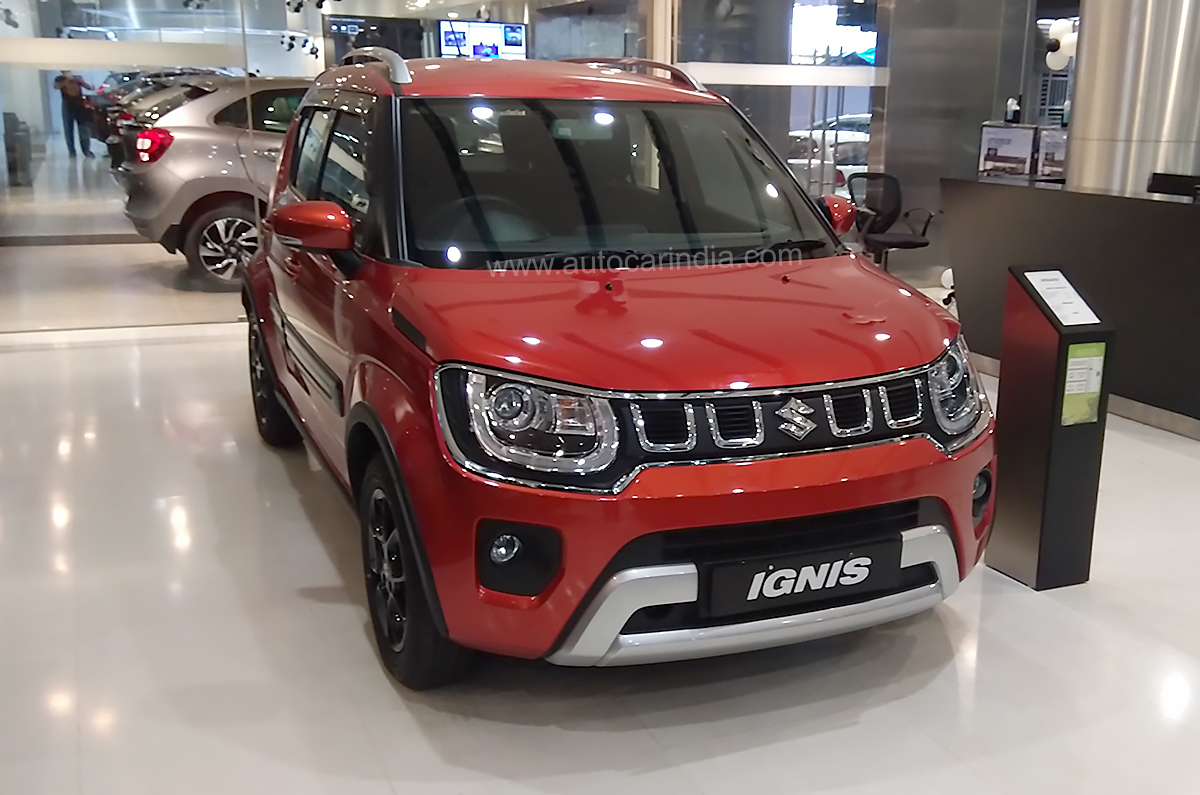
Maruti Suzuki Ignis

Benefits up to Rs 45,000

Maruti launched the Ignis facelift earlier this year at the 2020 Auto Expo, with some cosmetic updates and a BS6-compliant 83hp, 1.2-litre petrol engine. The facelift hasn’t changed a lot outside as the Ignis retains its upright tall-boy proportions and quirky styling. The Ignis’ well laid-out cabin and the levels of personalisation on offer continue to be a major draw. Nexa dealers are offering up to Rs 20,000 cash discount on all trims apart from the Zeta which only gets Rs 10,000 discount. Additionally, customers can get Rs 15,000 as exchange bonus, and Rs 5,000 as a corporate discount.

Maruti Suzuki Ciaz

Save up to Rs 40,000

The flagship sedan in Maruti’s range, the Ciaz, competes in the midsize sedan segment and takes on the new Honda City, Hyundai Verna, Volkswagen Vento and Skoda Rapid. The sedan has a spacious cabin, good ride quality and is definitely one of the more value for money products in the segment. The 105hp, 1.5-litre, petrol engine is refined and economical, partially due to the brand’s SHVS mild-hybrid technology. Currently, dealers are offering the Ciaz with a cash discount of Rs 10,000, exchange bonus of Rs 20,000 and corporate discount of Rs 5,000. It is worth noting that the Ciaz Alpha manual variant does not get any cash discount, but buyers of this trim can avail all other benefits.

Maruti Suzuki Baleno

Save up to Rs 35,000

The Maruti Suzuki Baleno can be had with either the 1.2-litre, K12B petrol engine which makes 83hp or the 1.2-litre, Dual Jet engine with the brand’s SHVS mild hybrid technology which makes 90hp. Both engines are quite peppy and offer good levels of performance and refinement. Another USP for the Baleno is its practical and spacious cabin. The Maruti Suzuki Baleno is a premium hatchback and rivals the Tata Altroz, Honda Jazz and Hyundai i20. Anyone looking to buy a Baleno can receive Rs 10,000 as exchange bonus and Rs 5,000 as corporate discount. They can also avail cash discounts of Rs 15,000 on all trims barring the Sigma trim which only gets Rs 10,000 as discount.

Maruti Suzuki XL6

Save up to Rs 30,000

The XL6 is a more luxurious, six-seat version (with captain seats in the second row) of Maruti’s Ertiga MPV. The XL6 features a few cosmetic changes as well, such as new headlights, front and rear bumpers, the black cladding, black wheels, all-black cabin and more. All these changes help set it apart from the Ertiga. Under the hood, the XL6 features a 105hp, 1.5-litre petrol engine with Maruti’s SHVS mild-hybrid technology. While space, practicality and comfort are strong suits for the XL6, the lack of a diesel engine option and the automatic variant’s relatively low fuel economy do let it down a bit. Still, this month, buyers can save up to Rs 20,000 with the exchange bonus and get Rs 5,000 off with corporate discount.

Maruti Suzuki S-Cross

Save up to Rs 10,000

The Maruti Suzuki S-Cross petrol is the latest addition to the carmakers line-up, being launched only last month. The big change for the S-Cross was that it went from being a diesel only model to being a petrol only one. The crossover can now only be had with the 1.5-litre, naturally aspirated, K15B petrol engine that produces 105hp and 138Nm of torque. The S-Cross has a spacious interior and a good ride and handling balance, however, the looks are still not to everyone’s tastes and the petrol engine isn’t the punchiest offering out there. Being so new, dealers are not offering any cash discounts or exchange bonus’, but instead you can get Rs 5,000 as corporate discount and Rs 5,000 under the festive ‘Shradh’ scheme. The S-Cross rivals the likes of the Renault DusterNissan KicksKia Seltos and Hyundai Creta.

Disclaimer: Discounts vary from city to city. Please check with your local dealer for exact discounts, which may not match figures quoted here.


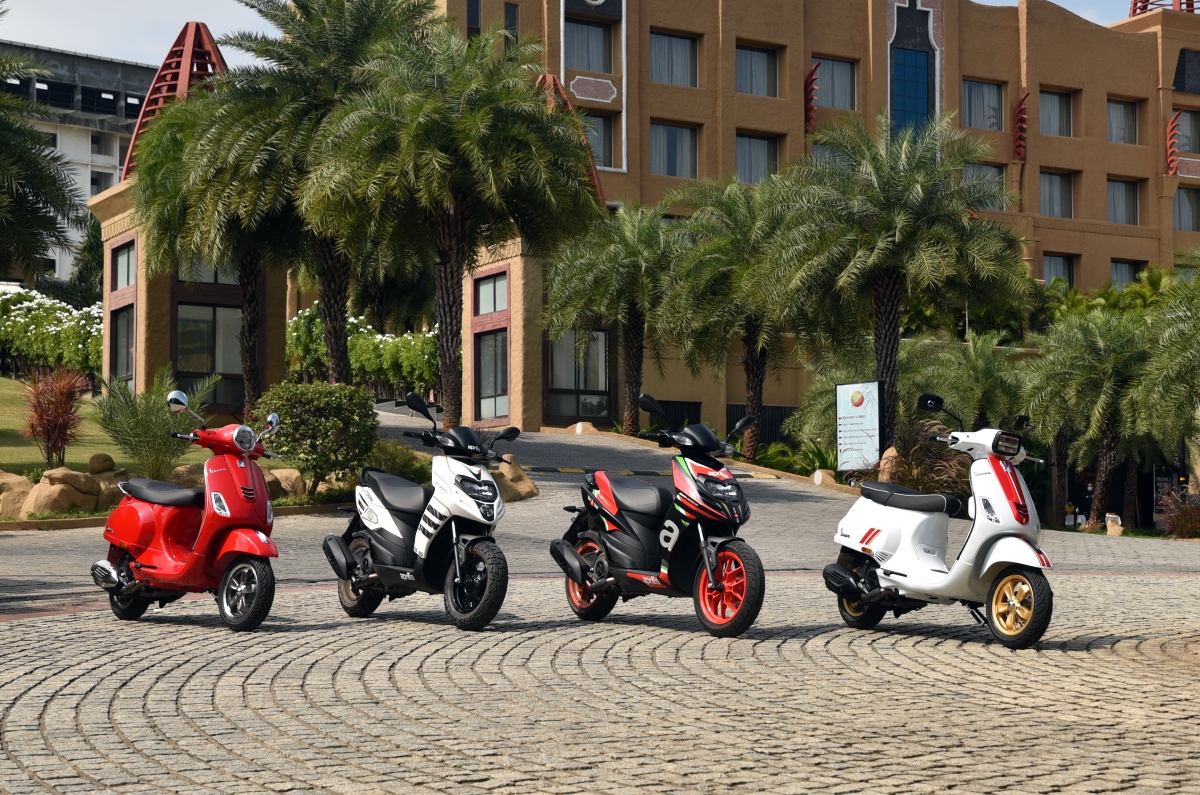
Vespa and Aprilia scooters can now be picked up on lease

Piaggio India has announced an attractive leasing scheme for its Vespa and Aprilia range of scooters.

  • Available for customers in Pune and Bengaluru only
  • Vespa and Aprilia scooters are available at Low down payment and EMI options 
  • Customers can return or upgrade the scooter at the end of the tenure.

Piaggio has joined hands with OTO Capital, a vehicle finance and loan company, to roll out its new leasing option for Aprilia and Vespa range of scooters. The application process is quick and easy, and can be done using the OTO mobile app. As of now, the scheme is only available for customers in Pune and Bengaluru.

As per the leasing scheme, customers can enjoy the benefits of a low down payment, with 30 per cent off on EMI. In addition, customers can also get up to Rs 2,500 waived off on the first month's subscription fees.

The benefit of the leasing is that customers need to only pay monthly for the duration they want to keep the scooter and return the scooter at any time. Moreover, customers can also upgrade to a higher spec Vespa or Aprilia, within the same EMI range. In addition, customers can also choose to own the scooter at the end of the tenure by paying a set amount.

Speaking about the new leasing scheme for Aprilia and Vespa customers, Diego Graffi, Chairman and MD, Piaggio India said, “We welcome the partnership with OTO Capital to facilitate this new model of ownership. Now, our discerning customers can enjoy interesting ownership options across our premium offerings of Vespa and Aprilia. We see flexible ownership to be a desirable new trend amongst the youth of India and we believe, Vespa and Aprilia would lead it to extend the premium experience to the aspirants."

The new leasing option will make it easier for people to consider a Vespa or Aprilia scooter, especially since these are among the most expensive scooters on sale in India. 

Also see

Vespa Racing Sixties review, first ride


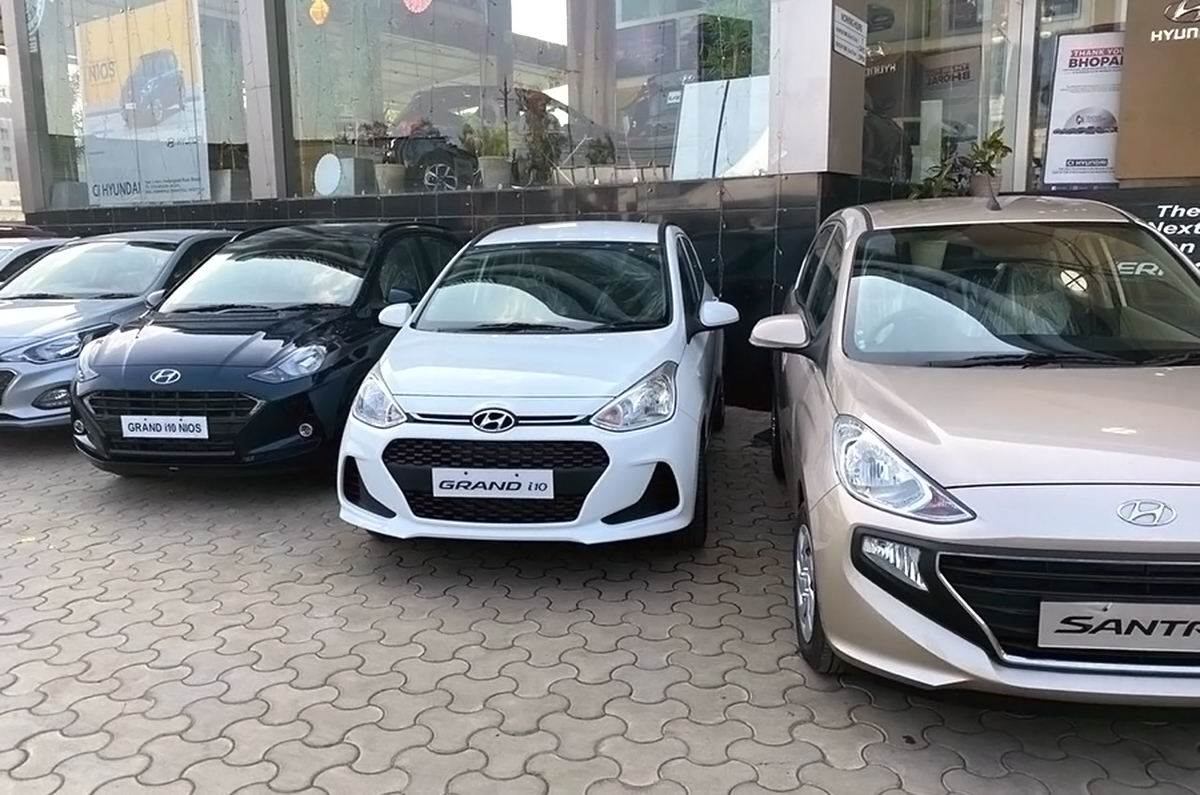
Hyundai hatchbacks and sedans get benefits of up to Rs 60,000

Hyundai is offering discounts and benefits ranging up to Rs 60,000 on its range of sedans and hatchbacks for the month of September. We take a look at the discounts available.

  • Discounts offered on Santro, Grand i10, Grand i10 Nios, i20 and Aura
  • Hyundai’s SUVs not available with any benefits

Hyundai Grand i10

Save up to Rs 60,000

A replacement for the old i10 in 2013, the Grand i10 continues to soldier on to this date as a more affordable alternative to the newer Grand i10 Nios. Buyers can avail of benefits of up to Rs 60,000 on the hatchback which is available in two trim levels and solely with a 1.2-litre petrol engine. Those looking for an automatic gearbox option or a diesel variant though will have to look at the more expensive Nios.

Hyundai i20

Save up to Rs 60,000

Following the upgrade to BS6, Hyundai premium hatchback has been reduced to a petrol only model in a choice of three variants and with only a manual gearbox. Customers can avail of benefits of up to Rs 60,000 on the i20 depending on the variant selected. The carmaker is expected to launch the all-new i20 in India in the coming months which will see the return of a diesel engine option and a petrol automatic variant.

Hyundai Santro

Save up to Rs 45,000

Hyundai budget hatchback can be had with discounts and benefits of up to Rs 45,000 depending on the variant selected. The entry-point to the Hyundai range, the new Santro is powered by a 1.1-litre petrol engine paired with either a manual or AMT gearbox. Also available is a factory CNG option. The Santro offers good levels of refinement and a well-finished cabin though higher variants do get pricey. Key rivals include the Maruti Suzuki Wagon R and Tata Tiago

Hyundai Grand i10 Nios

Save up to Rs 25,000

Launched in 2019, the Grand i10 Nios is essentially the successor to the Grand i10 and a rival to the third-gen Maruti Suzuki Swift, and Ford Figo. Engine options on offer include a 1.2 naturally aspirated petrol, a peppy 1.0-litre turbo-petrol and a 1.2-litre diesel engine with gearbox options including a 5-speed manual and a 5-speed AMT (turbo-petrol is manual only). Buyers will like the Nios for its levels of equipment and roomy cabin though the car isn’t the most exciting to drive. It can be had with benefits of up to Rs 25,000.

Hyundai Aura

Save up to Rs 25,000

Hyundai’s second-gen compact sedan sits across from rivals such as the popular Maruti Suzuki Dzire, Ford Aspire, Honda Amaze and Tata Tigor. The successor to the Xcent – which also remains on sale, the Aura shares its petrol and diesel engine options with the Nios. Here too both 1.2-litre petrol and diesel engines can be had with either a 5-speed manual or AMT gearbox with the 1.0-litre turbo only available with a manual. The strengths of the Aura lie in its refined engines and light controls, making it easy to drive in the city. Though, like the Nios, it will not appeal to keen drivers. It can be had with benefits of up to Rs 25,000.

Image Source

Also see:

Next gen Hyundai Tucson teased before September 15 unveil

2020 Honda City vs Hyundai Verna comparison

Hyundai Kona facelift revealed

Passenger vehicle sales up 20 percent in August 2020


Review: Yamaha Fascino 125 review, test ride

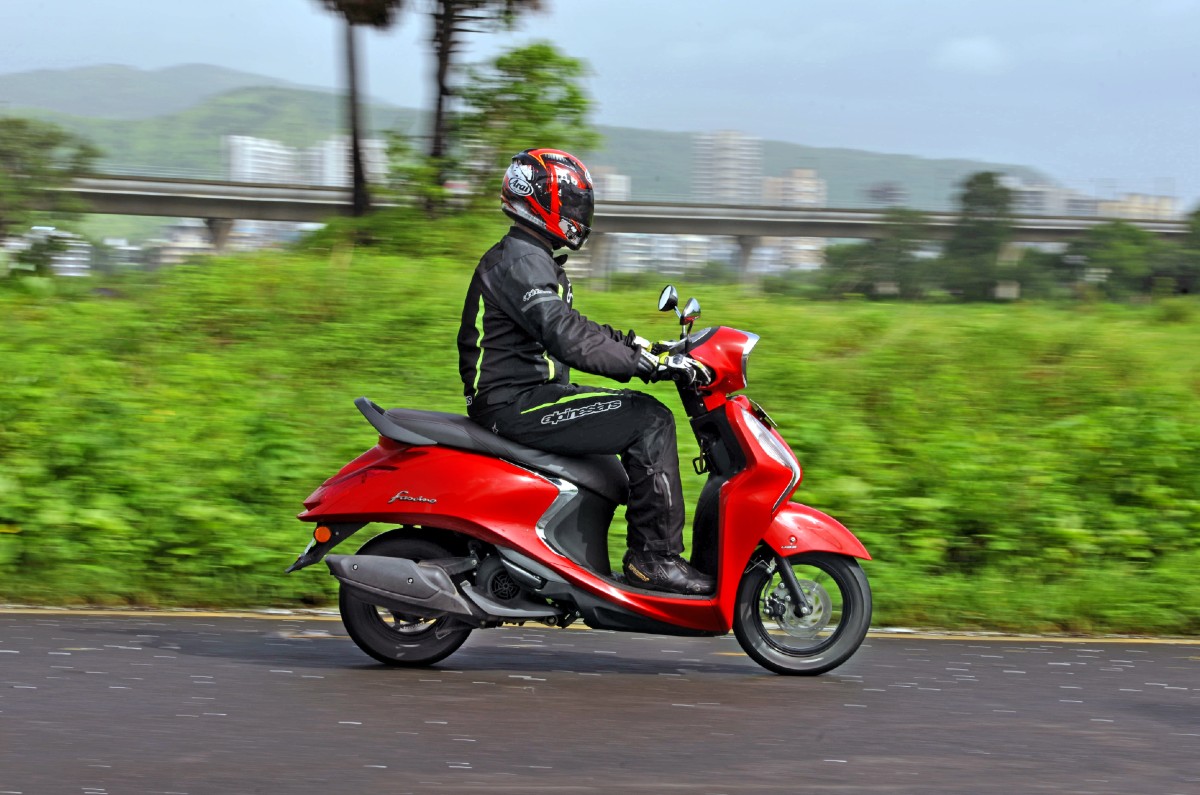
We’ve finally got the new Yamaha Fascino 125 for a proper test. We had sampled the Yamaha Fascino 125 BS6 in December 2019, inside the premises of a hotel, but now we’ve ridden the scooter on proper tarmac over the course of four days. While first impressions of the scooter left us impressed, a thorough test is what is going to help us come up with a definitive verdict on Yamaha's new player in the 125cc scooter segment. So, let's begin with one of the most talked about aspects about the 2020 Yamaha Fascino 125 – its design.

2020 Yamaha Fascino 125: Styling and features 

Yamaha seems to have used a tweaked version of the previous Fascino's design for the new Fascino 125, and that's not a bad thing at all. The Fascino's design language is unique and you are either going to like it, or end up looking the other way. To my eyes, it's a design that's interesting and happens to grow on you over time. It certainly did grow on me during the course of this test.

Some of the elements that particularly stand out include the inverted triangle-style headlamp, the chrome embellishments on the apron as well as the side panel, and the flowing tail section that extends further out than you'd expect. In fact, we noticed that the tail sticks so far out, that it is impossible to view the top half of the number plate if you stand close to the scooter. 

Yamaha-Fascino-125-rear

Yamaha has ensured that the Fascino is hard to miss on our streets, not just because of the way it looks, but also due to the bold colours on offer. The red shade on our test scooter drew a lot of attention and if you are the adventurous type, the Gold or Cyan Blue shade is guaranteed to draw an equal number of eyeballs. However, if riding under the radar is your thing, there's a dark matte version, which replaces the chrome bits with blacked-out elements.

Whichever colour you choose, one aspect that remains common is the fit and finish levels. The body panels and switches are neatly put together, but there are a lot of plastic panels. While they remained rattle-free on our test scooter, it remains to be seen how they will handle the passage of time. 

It's not all plastic though – the front fender is a metal unit. While that's the good bit about the design and build of the Fascino, the downside of form taking the lead from function is that the ergonomics are slightly flawed. 

The footboard has an aggressive upward sweep, which makes it difficult to comfortably accommodate larger feet. Then there's the relatively low-set handlebar that, if you are anything above 5ft 8in tall, grazes your knee while taking tight turns. And finally, the seat squab is a tad too soft for longish stints, resulting in a sore backside after half-an-hour of saddle time.

The other issue with the Fascino is that Yamaha could have offered more features, besides engine start/stop and side-stand cut-off systems.

Fascino-speedo

There are no LED lamps and the instrument cluster is so basic, you'll be reminded of your grandpa's alarm clock – it does not even get a trip meter. Yamaha will also charge you extra to fit a USB charging port inside the 21-litre, under-seat boot.

All of this may sound as nitpicking, but if someone is spending their hard-earned money, they'd want features that are pretty much standard on the rest of the 125cc scooters in the market. 

Thankfully, the Yamaha's engine makes up for these aspects. 

2020 Yamaha Fascino 125: Engine and performance 

Along with the newly developed chassis (more on that later), Yamaha also developed a new 125cc engine with a nifty starter-motor generator for a silent start.

The fuel-injected engine's power and torque figures (8.2hp and 9.7Nm) are nothing to write home about, as outputs figures are notably lower than its direct competition from TVS, Suzuki and Aprilia. Where the Yamaha pulls an ace out of its sleeve is in the power-to-weight ratio – that’s down to its 99kg kerb weight. I'm actually struggling to think of a modern day 125cc scooter that weighs under 100kg!

Yamaha-Fascino-disc

As expected, the 82.82hp/tonne power-to-weight ratio translates to brisk performance, and our tests reveal that the Fascino 125 is right up there with the competition. In the sprint from 0-60kph the Fascino clocked 8.41s, which is only 0.33s slower than the current 125cc performance king, the Suzuki Access 125.

The engine is responsive as well. This is apparent in its roll-on acceleration times (20-50kph in 4.57s and 30-70kph in 10.52s) and that makes the Fascino an effortless city commuter. What really impresses is the engine's refinement. Whether it was riding at sedate city speeds or flat out on the Mumbai-Pune highway, there were hardly any perceptible vibrations to speak of. 

The other advantage of the low kerb weight is the fuel economy. The Fascino returned 57.08 kpl in the city and 64.2 kpl on the highway, making it among the most fuel-efficient BS6 125cc scooters we've tested.

The Fascino's engine stop/start feature does help in extracting a little more fuel economy, but the system is annoyingly slow to respond and we noticed the engine takes a little over a second to turn on after you've opened the throttle. The Honda Activa 125 has a similar system, but it is much better executed and we didn't mind leaving it on. As for the Yamaha, we deactivated the system as soon as the efficiency tests were conducted. 

2020 Yamaha Fascino 125: Ride and handling

An area where the new Fascino 125 was found to be lacking has to be its low speed ride. The telescopic fork and monoshock is set up on the firm side of the scale. The result is that the low speed ride that isn't exactly harsh, but not what you'd call comfy either.

Pick up the pace and there is a noticeable improvement in the ride quality, but it's never in the same league as the Suzuki Access 125 or even the TVS Ntorq and Honda Activa 125. High speed stability and handling are both perfectly acceptable, but not segment-leading. 

The braking performance offered by the Yamaha Fascino's front disc is also decent, at best. That said, the optional front disc lacks some bite and sharpness.

Fascino-125-pillion

Should you buy the 2020 Yamaha Fascino 125?

Yamaha’s intentions, which are to grab some of the 125cc market share from the competition, are evident in the aggressive pricing of the Fascino 125. Starting at Rs 68,730 for the drum brake variant and Rs 71, 230 for the one equipped with a disc brake, the Fascino undercuts some of its 125cc competition. It does lose out on some traditional features but counters with the silent start system and start/stop function; features that most of its rival’s lack. 

In the end, the Yamaha Fascino 125's biggest draw is its design. Those who buy it for its looks, won't be getting segment-best comfort, dynamics or features, but will get to enjoy its performance and efficiency, along with the promise of Japanese reliability. For many, that will be enough.

All prices, ex-showroom, Delhi.

Also see:

Yamaha MT-15 long term review, second report


PhotoGallery: 2020 Genesis G70 image gallery


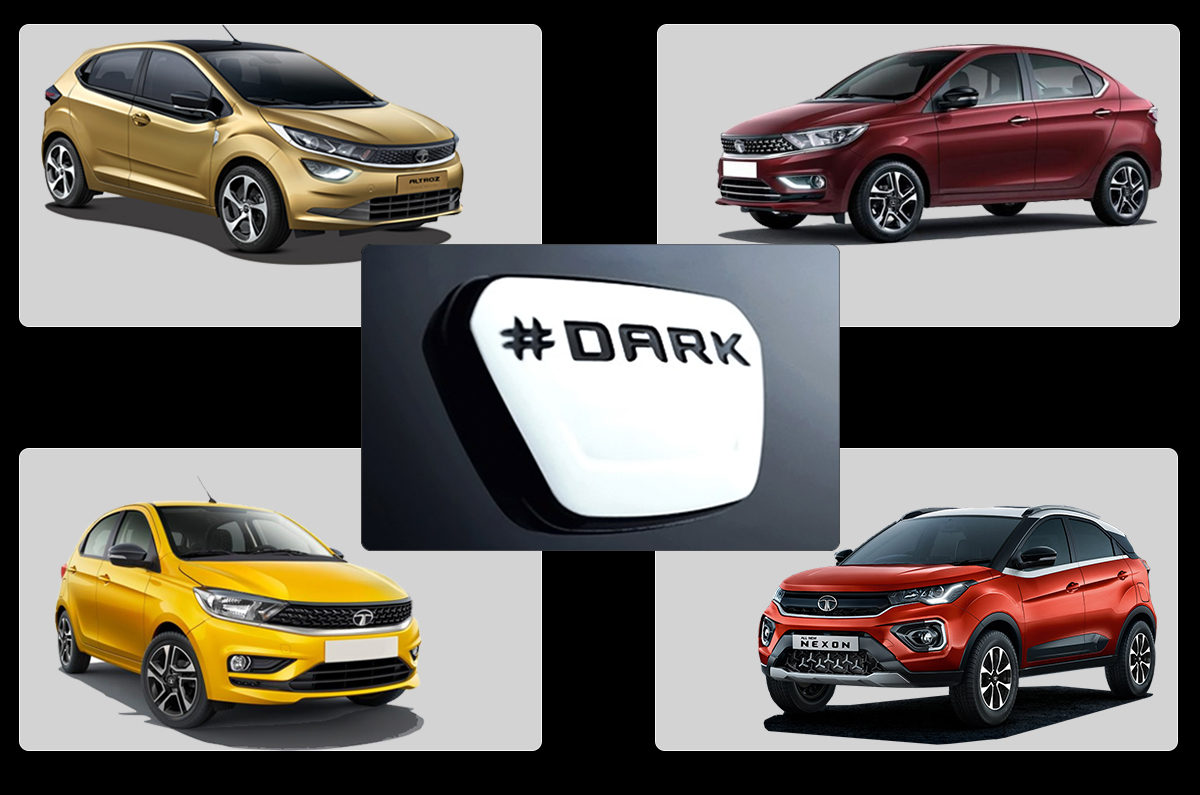
Tata Nexon, Altroz, Tiago and Tigor Dark Editions in pipeline

Tata Motors has filled for trademark of new Dark editions for a number of its models. The carmaker has also filled applications for an all-new Camo edition, which is also expected to join Tata’s line-up in the future.  

  • Both the Dark and Camo editions will feature cosmetic changes.
  • The Tata Harrier already has a Dark Edition.

What are the Dark and Camo editions?

Let’s start with the Dark Edition, as we have already seen it on the Tata Harrier. The Harrier Dark edition is offered in both the XZ and XZ+ trims. Its exterior is finished in an Atlas Black paint shade and it gets blacked-out alloy wheels, door handles and front and rear skid plates. It also features grey headlight surrounds and a special #Dark badge. The interiors sport an all-black theme with a black dashboard, door cards, leather seat upholstery along with gunmetal grey inserts around the cabin. We expect a similar treatment to be carried out on the upcoming Dark Edition models.

Coming to the Camo edition, at the moment not much is known about what changes this variant will bring. Though, like with the Dark edition, the changes are expected to be cosmetic in nature.

What Tata models has the trademark been filled for?

Trademarks for both Dark and Camo edition of all current Tata models – which include the Altroz, Tiago, Tigor, Nexon and Harrier – have been filled. Additionally, Camo and Dark edition trademarks have also been filled for the upcoming Tata Gravitas seven-seat SUV.

What else is Tata working on?

Besides the aforementioned Gravitas flagship SUV, the Indian carmaker is also readying a micro-SUV which was previewed by the HBX concept at the 2020 Auto Expo. The production-spec HBX is slated to launch in FY2021 and it will sit below the Nexon in Tata’s India line-up. Tata is also working on the Altroz EV - an all-electric version of the its premium hatchback.

Also see:

Tata Harrier XT+ launched at Rs 16.99 lakh

Tata Nexon EV, Hyundai Kona Electric to be supplied to EESL

Tata Nexon XM(S) launched; is most affordable car with a sunroof


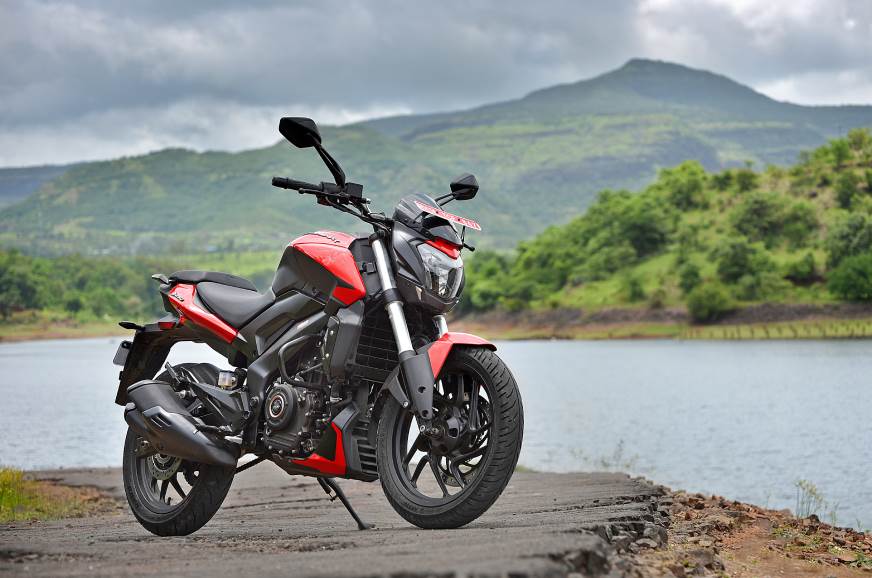
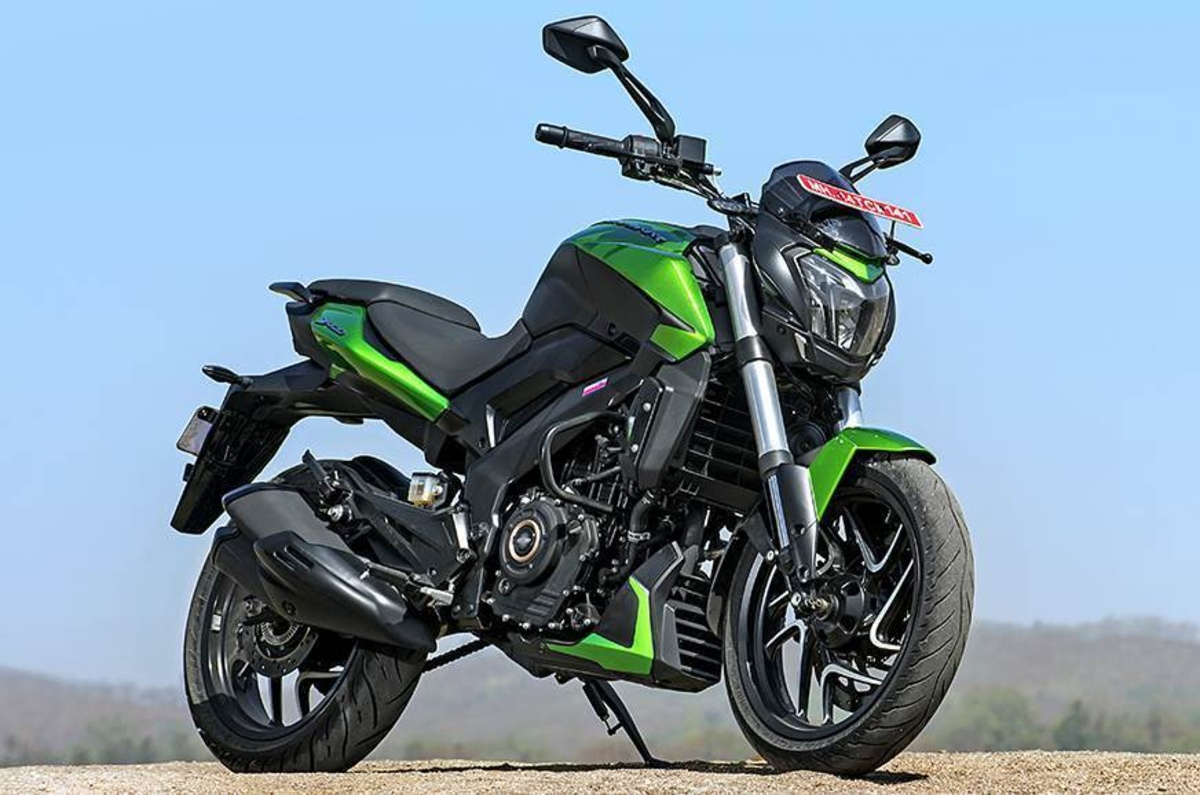
Bajaj Dominar 250 price hiked to Rs 1.64 lakh

Since Bajaj launched its BS6 models, over the last couple of months, it has hiked prices for a number of them. Only the recently launched Bajaj Dominar 250 did not receive a higher price tag, but that has now changed. The Dominar 250 was launched in March, 2020 at Rs 1.60 lakh, and now, 6 months later, Bajaj has increased its price to Rs 1.64 lakh.

This hike of Rs 4,090 is the first that the Dominar 250 has received. Despite the notable increase, the baby Dominar continues to be a great value for money proposition. However, it does take its price tag closer to the Husqvarna twins, the Vitpilen 250 and the Svartpilen 250, which are priced at Rs 1.80 lakh (ex-showroom, Delhi). Now, the Dominar 250 also costs just as much as its rival, the Gixxer 250, that is priced at Rs 1.65 lakh (ex-showroom, Delhi).

There are no cosmetic or mechanical updates following the hike. The Bajaj Dominar 250 borrows its 248.8cc, fuel-injected, single-cylinder engine from the 250 Duke. However, given that the bike hasn’t been designed to be as performance oriented as the KTM 250 Duke, it makes less peak power and torque – 27hp at 8,500rpm and 23.5Nm at 6,500rpm, compared to the 30hp and 24Nm of the KTM. Despite its more relaxed, touring-focused intentions, Bajaj hasn’t skimped on giving the bike features, and has included slipper clutch and dual-channel ABS.

All prices, ex-showroom, Delhi.

Also see:

Bajaj Dominar 250 review, test ride

Bajaj Dominar 400 price hiked to Rs 1.96 lakh


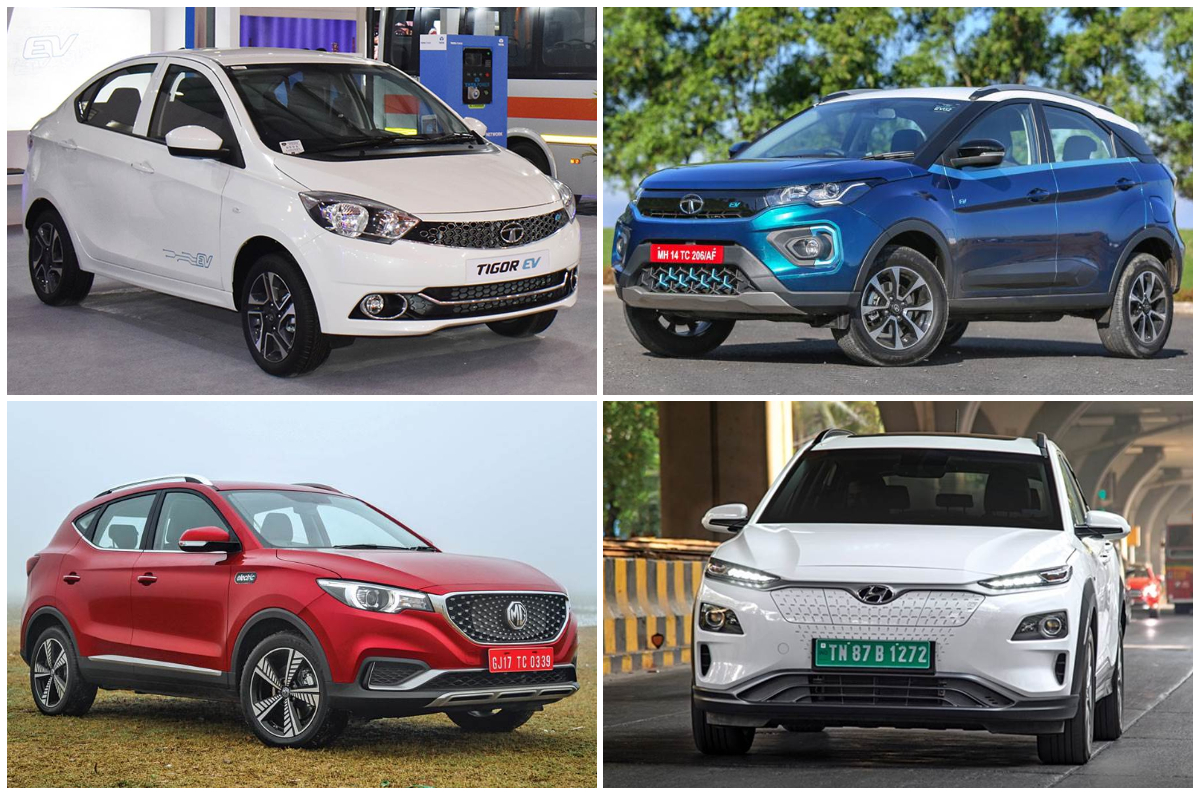
Every electric car currently on sale in India

Although electric car sales don’t contribute all that much to total passenger car sales in India, EVs have made in-roads. When the eVerito arrived on the scene in June 2016, the only other electric car available was the e2o. Four years on, there are now five all-electric cars on sale and there are quite a few premium and mass market EVs coming to India in the near future. On the first-ever World EV Day, we take a quick look at all five electric cars you can buy in the country, today.

Tata Tigor EV


The first all-electric Tata, the Tigor EV, was only available for commercial buyers when it first launched in June 2019. Due to its small 16.2kWh battery and 142km ARAI-rating, the Tata Tigor EV didn’t really alleviate range anxiety associated with all-electric cars. Driving Tata’s electric sedan in traffic is no hassle but it runs out of steam above 50kph; our Tigor EV review showed it took 18.84sec to hit 80kph. In October 2019, Tata introduced an upgraded Tigor EV in three variants and with a larger, 21.5kWh battery pack, which gave it 213km of range on a single charge. The brand also opened order books for individual buyers.

Tata Tigor EV fact file
Battery capacity 21.5kWh
Power 41hp
Torque 105Nm
Range (ARAI) 213km
Charging time (AC 0-100%/DC fast charging 0-80%) 11.5 hours/120min (claimed)
Price (ex-showroom, Delhi) Rs 12.77-13.09 lakh
Autocar India rating 6/10

Mahindra eVerito


The oldest EV isstill on sale in India today, the Mahindra eVerito is the all-electric version of the now-discontinued Verito sedan. Available in two variants – D2 and D6 – the eVerito has an 18.55kWh battery pack that has an ARAI-rated 140km of range; real-world range, which is usually lower than the ARAI figure, has been a complaint. The weak electric motor also means the eVerito is slow, and struggles to keep up with city traffic. Mahindra’s all-electric sedan is only suitable for short commutes and is expensive for what it is, though the practical, if aging, cabin is a plus point.

Mahindra eVerito fact file
Battery capacity 18.55kWh
Power 42hp
Torque 91Nm
Range (ARAI) 140km
Charging time (AC 0-100%/DC fast charging 0-80%) 11.5 hours/90min (claimed)
Price (ex-showroom, Delhi) Rs 12.93-13.20 lakh
Autocar India rating 5/10

Tata Nexon EV


Tata Motors’ second electric car is quite an upgrade from its first. The Tata Nexon EV has modern tech - like a connectivity suite and a number of goodies, such as a sunroof, and feels like the first electric car from the company that could serve as an alternative to a petrol car. Expect the 30.2kWh battery to last 180-220km in the real world; our review of the electric Tata compact SUV showed it is quick off the line, effortless and decently fun-to-drive too. Nexon EV prices start Rs 2.64 lakh higher than the top-spec Nexon XZA+ DT (O) petrol-automatic and end Rs 4.64 lakh higher, which is a significant premium.

Tata Nexon EV fact file
Battery capacity 30.2kWh
Power 129hp
Torque 245Nm
Range (ARAI) 312km
Charging time (AC 10-90%/DC fast charging 0-80%) 8.5 hours/60min (claimed)
Price (ex-showroom, India) Rs 13.99-15.99 lakh
Autocar India rating 8/10

MG ZS EV


The MG ZS EV is a direct rival to the Hyundai Kona Electric. It boasts of a longer real-world range from its 44.5kWh battery pack (as our comparison between the ZS EV and Kona Electric showcased), more cabin space and a long list of equipment; there are some features that are missing from a car in this class though. ZS EV prices also undercut Hyundai’s EV by a small margin. However, a standard 5-year warranty pack, helps the all-electric MG SUV’s case.

MG ZS EV fact file
Battery capacity 44.5kWh
Power 143hp
Torque 353Nm
Range (ARAI) 340km
Charging time (AC 0-100%/DC fast charging 0-80%) 16-18 hours/50min (claimed)
Price (ex-showroom, India) Rs 20.88-23.58 lakh
Autocar India rating 8/10

Hyundai Kona Electric


The Hyundai Kona Electric was introduced in July 2019 as a CKD to showcase the Korean brand’s technology in the EV arena. We found out in our Kona Electric road test that it was a peppy performer, a typically well-kitted Hyundai, and that it could go a decent distance on a single charge. However, its interiors are bland and aren’t all that spacious either. Hyundai’s variable ‘Wonder Warranty’ pack was recently made available on the electric SUV. The Kona Electric was in the news earlier this month as an order for 100 units to be supplied to EESL was announced.

Hyundai Kona Electric fact file
Battery capacity 39.2kWh
Power 136hp
Torque 395Nm
Range (ARAI) 452km
Charging time (AC 0-100%/DC fast charging 0-80%) 19 hours/Under 60min (claimed)
Price (ex-showroom, India) Rs 23.76-23.95 lakh
Autocar India rating 7/10

Mercedes-Benz EQC


Mercedes-Benz India’s first all-electric model, the EQC is meant to lure traditional luxury SUV buyers. The Mercedes-Benz EQC is refined, has a fun-to-drive aspect and can go about 350km on a single charge; buyers who opt to drive should not have any complaints. It’s luxurious too though it’s not as feature-rich as you’d expect from a car of this price. The low ground clearance is also an issue, which is something we found out in our EQC India review. Prices for the all-electric luxury SUV will be announced soon – expect an ex-showroom price tag of about Rs 1 crore.

Mercedes-Benz EQC fact file
Battery capacity 80kWh
Power 408hp
Torque 760Nm
Range Upwards of 450km (claimed)
Charging time (AC 0-100%/DC fast charging 10-80%) 21 hours/About 40min (claimed)
Price (ex-showroom, India) Rs 1 crore (est)
Autocar India rating 8/10

Prices as on September 8, 2020

Also see:

BMW to introduce 9 new EVs by 2025

Mercedes-Benz EQC India review, test drive

Tata Nexon EV, Hyundai Kona Electric to be supplied to EESL

All-electric Skoda Enyaq iV revealed in production form


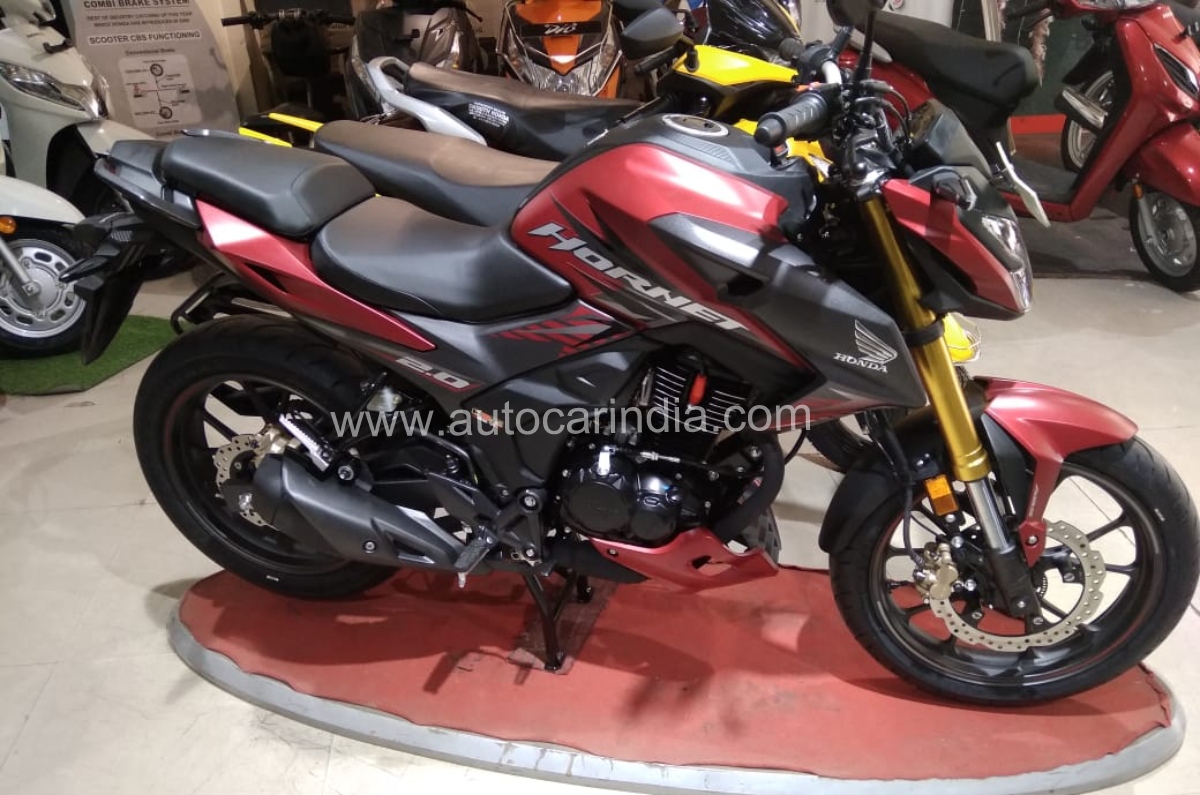
Honda Hornet 2.0 reaches dealerships

The Honda Hornet 2.0 has been dispatched to dealerships across India, after its launch on August 27, 2020.

  • Booking amount is Rs 5,000
  • Test rides available 
  • Deliveries to begin soon

Bookings open 

Prospective customers can now test ride the new Honda Hornet 2.0 at dealerships across India and reserve a motorcycle by paying a minimum booking amount of Rs 5,000. The Hornet 2.0 is priced at Rs 1.26 lakh (ex-showroom, Delhi)

New design

The Honda Hornet 2.0 marks the company's entry into the 180cc-200cc segment. The motorcycle is based on the Honda CB190R, that's on sale in international markets. That said, Honda India has worked upon the styling to distinguish the Hornet 2.0 from the CB190R. The most apparent changes have been done to the headlamp, taillight and the body panels. 

Equipment

The Honda Hornet 2.0 boasts of an all-LED lamp setup. The motorcycle also has a reverse LCD instrument cluster that also features a gear position indicator, service due indicator and battery voltmeter. 

Rounding off the list of equipment is a hazard lamp switch and sealed chain, that Honda claims requires less maintenance.

Chassis and suspension 

Under the muscular looking body work, is a new diamond frame that is said to offer good agility and feedback around the corners. The company has also managed to keep the kerb weight quite low, at 142kg.

The Honda Hornet 2.0 is also the first motorcycle in the segment to feature a USD fork that's finished in a rather interesting gold colour. At the rear, there is a preload adjustable monoshock.

The bike rides on new alloy wheels, shod with a 110mm tyre at the front and a 140mm tyre at the rear. 

As far as the brakes are concerned, the bike has a 276mm front petal disc and 220mm petal disc at the rear. In the interest of saving costs, the Hornet 2.0 gets a single-channel ABS only.

Engine

The Hornet 2.0 is powered by a 184.4cc, air-cooled, fuel-injected, single-cylinder engine that develops 17.2hp at 8,500rpm and 16.1Nm at 6,000rpm. It has a power to weight ratio of 121.12hp per tonne.

Competition

The Honda Hornet 2.0 goes up against the TVS Apache RTR 200, Bajaj Pulsar NS200 and Hero Xtreme 200R


Looking for a bike for city running and long rides

I’m looking to buy a fun bike within a budget of 5 lakh that I can take on long rides. I'm approx 5'10" tall (if that matters in the decision making) and am a bit partial towards naked bikes. If it's easy to ride around the city, it's a big plus. Pillion rider comfort is not a big priority, but the bike should have decent place to sit for the pillion. I live in Hyderabad and Pune and easy access to service centers would also be a big plus. Please help me out with a few options.

Satyam Alkari, Nagpur

Unfortunately, we still have a bit of a gap in our market where bikes like the Honda 500 series and Yamaha 700 series would fit in nicely, so there isn’t much to choose from under Rs 5 lakh. You could look for a good used example of a Kawasaki Ninja or Versys 650, or a first-gen Triumph Bonneville, or even a Triumph Street Twin, if you’re lucky. However, if you want to go for a new bike, the KTM 390 Adventure is probably your best bet. You will get a new motorcycle with a 2-year warranty, and it will be far more affordable to run than the bikes we’ve mentioned above. You’re tall enough to handle the KTM’s seat height, it’s a very comfy bike on poor roads. It also has plenty of space for a pillion and can comfortably handle highway speeds well.

If the KTM doesn’t catch your fancy, the Royal Enfield Interceptor 650 is a beautiful motorcycle, but I’m mentioning it last because the bike does feel a little big and cumbersome in the city and pillion comfort isn’t a strong point either. Beyond this, the RE is a soulful companion and our long-term test bike proved that the bike has no serious reliability issues.


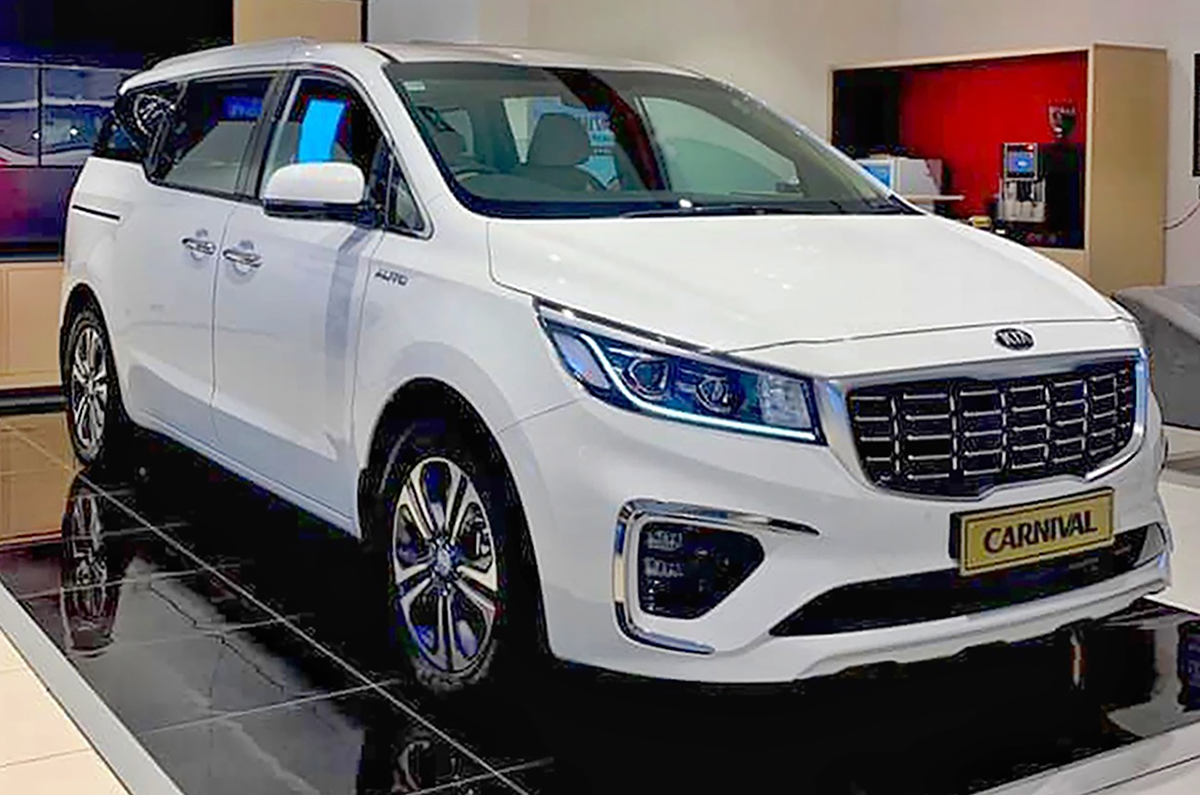
Kia Carnival gets benefits up to Rs 2.10 lakh

The Kia Carnival is available with massive benefits worth up to Rs 2.10 lakh for the month of September. This makes the Carnival the first model from Kia’s India line-up to be offered with any cash benefits. This move has been made in order to boost the sales of the luxury MPV.

  • Benefits include exchange bonus, 3-year/unlimited-km maintenance.
  • All variants can get the rear seat entertainment package for free.
  • Kia is also offering new finance schemes for the Carnival.

What are the exact benefits available on the Kia Carnival?

For anyone looking to buy a Kia Carnival, they can avail an exchange bonus of Rs 80,000, the 3-year/unlimited-kilometre maintenance package worth Rs 48,000 for free, and corporate benefits worth up to Rs 46,000. If you choose to purchase either the Premium or Prestige trim-level, you can also get the rear seat entertainment package worth Rs 36,560, for no additional cost; the top-spec Limousine trim gets this pack as standard. All put together, the benefits total to just a shade over Rs 2.10 lakh.

What finance schemes are available with the Kia Carnival?

Kia is offering three main finance schemes with the Carnival. These include a 90-day EMI holiday (begin paying EMI, 90 days after purchase) and a Low EMI scheme, which has monthly instalments as low as Rs 767 for the first six months of the tenure. There is also a Flexible EMI scheme which allows for 50 percent lower EMI cost for the first 3 months of every year of the loan tenure. 

What is the Kia Carnival and what does it rival?

For those who need a quick refresher, the Carnival is Kia’s premium MPV offering. While it can be compared to the Toyota Innova Crysta which currently dominates the premium MPV segment, the two models don’t directly compete. This is because while the Carnival is larger, more powerful and better equipped, it is also noticeably more expensive.

The Kia Carnival can be had in three trim-levels – Premium, Prestige and Limousine, with seating for either 7,8 or 9 people.

What engine does the Kia Carnival use?

Under the hood, the Carnival is only available with a 2.2-litre, four-cylinder, turbo-diesel engine that produces 200hp and 440Nm of torque. Power is sent to the front wheels via an 8-speed torque-converter automatic transmission. The fuel efficiency or mileage of this 2-tonne-plus MPV is an ARAI-rated 13.9kpl.

What else is Kia working on?

Kia is gearing up to launch its third offering in our market – the Kia Sonet on September 18, 2020. The Sonet will compete in the compact-SUV segment against the Hyundai Venue,  Mahindra XUV300Maruti Suzuki Vitara Brezza, Ford EcoSport and Tata Nexon

IMAGE SOURCE

Also see:

Kia Carnival review, test drive

Kia India to focus on SUVs, MPVs; no plans for hatchbacks, sedans

India-spec Kia Carnival image gallery


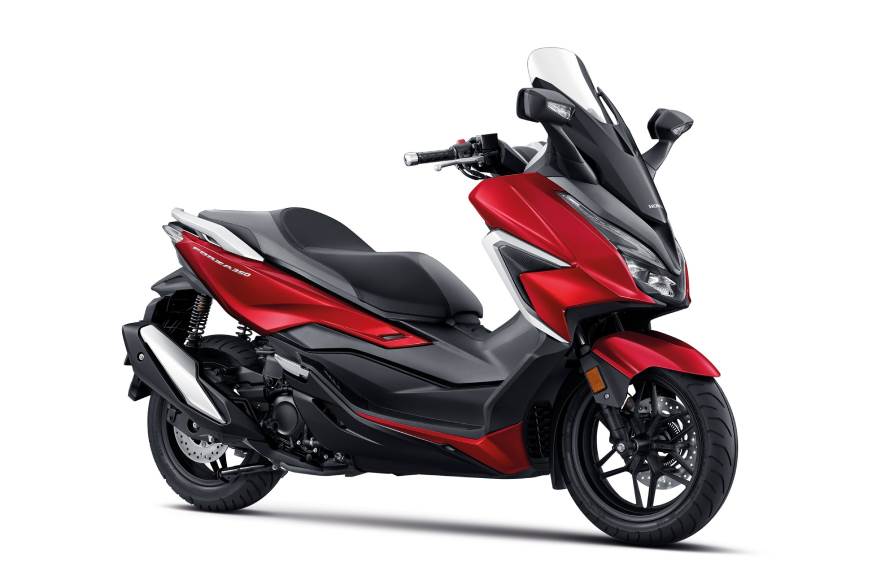
New Honda Forza to be unveiled on October 14

Honda has released a teaser revealing that it will soon add a new model to its Forza line of scooters, on October 14. At the moment, the Forza line-up is made up of two models - the Honda Forza 125 and the Honda Forza 300. The teaser ends with the tagline, “The Forza family is getting bigger.” and this could mean one of two things.

It could either mean the addition of a new third scooter that is powered by a larger displacement engine, perhaps the 750cc unit that powers the X-ADV. Or on the one hand, it could also mean that the current Forza125/Forza 300 gets slightly larger engines for 2021. This seems more likely for the Forza 300 as a Forza 350 was showcased in Thailand, a few months ago. This Forza 350 is powered by a 330cc single-cylinder that offers better performance than the current 279cc single-cylinder unit.

The teaser video also revealed details like the front cowl and engine casing that look reminiscent of the rest of the Forza line. Considering it’s maxi-scooter design, it’s likely the new addition to the Honda Forza line-up will boast of features like full LED lighting and cruise control.

The Forza range of scooters has never officially been sold in India. However, earlier this year, Honda confirmed that it is planning to introduce the Forza line in our country. These plans have likely been postponed given the pandemic, but we could expect to see the Forza here, in the near future.


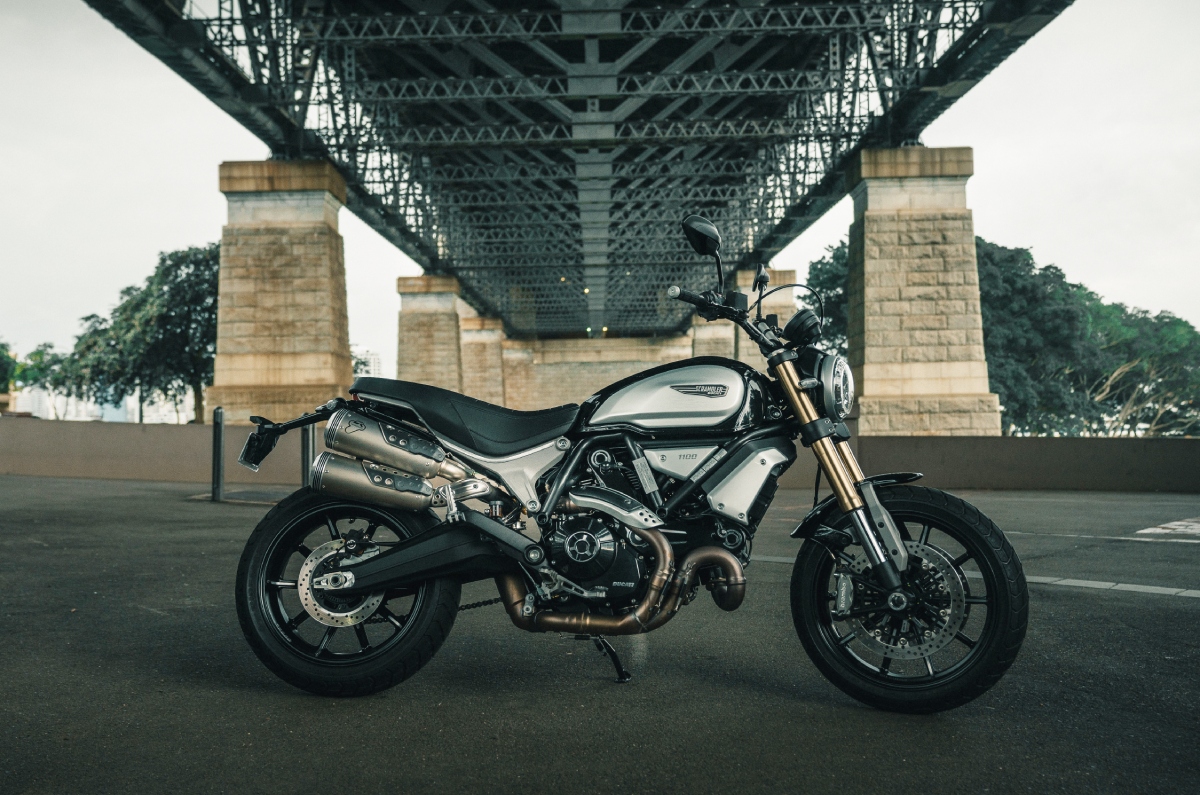
Ducati India teases the BS6 Scrambler

Ducati India has just released a teaser image of the new, Euro 5/BS6 compliant Scrambler on its social media platforms.

  • Likely the Scrambler 1100 Pro and Sport Pro
  • 1079cc engine makes 86hp and 88Nm
  • Sport Pro variant gets Öhlins suspension 

The new Scrambler will be the second BS6-compliant Ducati motorcycle to go on sale in India, the first being the Panigale V2, which was launched recently.

The image posted by Ducati only shows the Scrambler's headlamp, with the X-shaped motif that has become the identity of the Scrambler 800 and Scrambler 1100 range. 

Our guess is that Ducati is readying the new Scrambler 1100 to go on sale soon. Sources tell us that Ducati India might bring both the Scrambler 1100 Pro and Sport Pro variants to India.

Both, the Ducati Scrambler 1100 variants are based on the same platform and share the same trellis frame and Euro 5/ BS6 compliant engine. The 1079cc, air-cooled, L-Twin makes 86hp at 7,500rpm and 88Nm at 4,750rpm. The new Scrambler Pros also get a revised exhaust system which also helps in meeting the emission norms.

In terms of styling and equipment both the Ducati Scrambler 1100 Pro models get an improved seat and a repositioned number plate holder that sits lower. The Sport Pro gets a special matte black paint as well.

The Sport Pro is also the higher spec model and is distinguished by its lower handlebars, with cafe racer style bar-end mirrors, and premium Öhlins suspension. The Scrambler 1100 Pro, on the other hand, gets a Marzocchi front fork and Kayaba monoshock.

In terms of safety, both motorcycles get Ducati Traction Control or DTC, Bosch cornering ABS and three riding modes- Active, Journey and City.

Prices of the BS4 Scrambler began at Rs 10.91 lakh for the base Scrambler 1100 in India and we expect these two models to cost more, when they go on sale in a few weeks. Stay tuned to know the prices as soon as the motorcycles are launched.


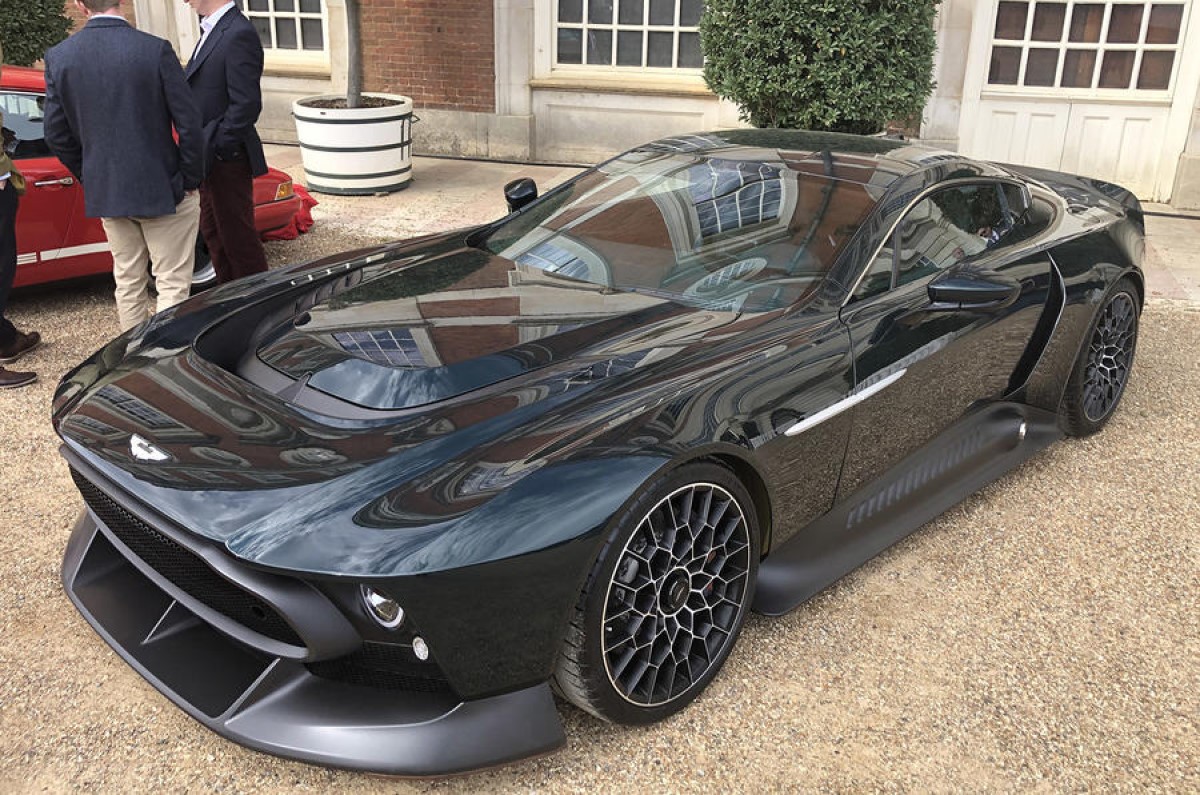
Aston Martin Victor one-off V12 supercar revealed

The Aston Martin Victor has been revealed by the British firm’s bespoke Q Commission division. The one-off supercar combines elements of the One-77 and track-only Vulcan.

  • The Victor is a one-off, road legal supercar made for a Belgian collector
  • Powered by a Cosworth-tuned naturally aspirated 7.3-litre V12
  • Uses an RWD layout and a 6-speed manual with a motorsport clutch

What was the inspiration behind the Victor?

The car began life as a One-77 prototype and has been significantly overhauled over an 18-month period. It features extensive use of carbon-fibre, with the chassis weighing less than the original One-77’s.

The team used Aston’s muscle car era for design inspiration, specifically the 1980s Vantage, and worked closely with the customer to develop the entirely bespoke body. It borrows elements from current Aston Martin models, including the tail-lights from the upcoming Valkyrie, and vents found in the DBX SUV.

Inside, cashmere, polished titanium, and walnut wood contrast with leather-finished racing bucket seats and 4-point harnesses, along with exposed carbon-fibre. The Victor’s motorsport-derived steering wheel is like the one seen on the Vulcan.

What’s under the skin of the Victor?

The Victor is the most powerful road-legal, naturally aspirated car Aston Martin has ever produced. The One-77’s 7.3-litre V12 powerplant was stripped and rebuilt by Cosworth, with power raised from 760hp to 848hp, and it is mated to a 6-speed manual transmission with a bespoke motorsport clutch.

It uses the same inboard springs and dampers as the track-only Vulcan and is fitted with Brembo carbon-ceramic brakes that Aston claims can deliver braking capability on par with a GT3 race car.  

An aerodynamically optimised front splitter and rear diffuser together produce 842Nm of downforce at 160kph, which is more than a race-prepared Vantage GT4.

What’s the story behind the name?

According to an Aston Martin representative, the Pentland Green paint dried mere hours before the car made its public debut at the Concours of Elegance at Hampton Court Palace. 

It was unveiled to commemorate the 70th anniversary of the Vantage name and named Victor after Victor Gauntlett, the man widely credited for reviving Aston's fortunes in the early 1980s. The car's owner, a Belgian collector, hasn't been named.

Also See:

Aston Martin DBX could spawn 7-seat, Coupé derivatives

First Aston Martin DB5 Goldfinger Continuation rolls off production line

Aston Martin DBX prototype review, test drive


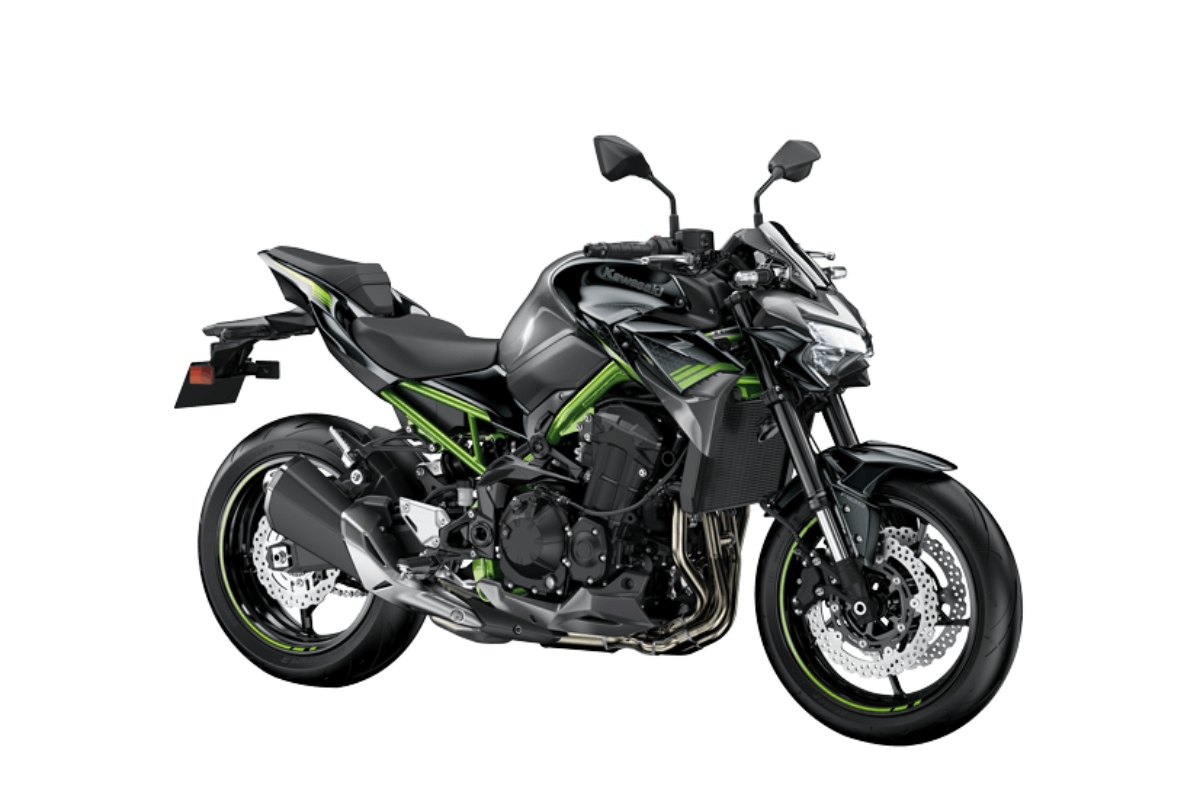
BS6 Kawasaki Z900 launched at Rs 7.99 lakh

Kawasaki has launched the BS6-compliant Z900 at Rs 7.99 lakh in India. At this price, it costs just as much as the limited stock BS4-compliant Z900 that was launched in February 2020.

  • 2020 Z900 gets new electronics and features

  • Price remains the same as the 2020 BS4 Z900

  • Power and torque figures have not witnessed a drop

Back in December 2019, Kawasaki had announced that the BS6-compliant Z900 would cost between Rs 8.5-9 lakh, when launched. However, the middleweight sport, naked only costs Rs 30,000 more than the 2019 model and just as much as the aforementioned limited stock 2020 model.

At this price, the Z900 offers significantly more value. Updates on this model include a slightly revised design, which is apparent in the new LED headlamp with Kawasaki H2 inspired fangs underneath. The tank extensions and tailpiece have also received a slight tweak, with the latter being chopped further to expose the trellis chassis. Its signature, Z-shaped LED tail-lamp continues to be unchanged in the 2020 model.

The biggest update is the introduction of electronic riding aids such as a three-level Kawasaki Traction Control (KTRC) and two power modes – Low and Full. The low power mode chops power to 55 percent of the available 125hp, which makes it useful while riding in slippery conditions, like on rain-soaked roads.

In addition, the new Z900 also gets four riding modes – Sport, Road, Rain and Rider, with the last one allowing the rider to set the systems as per preferences. This can be done via the new TFT instrument panel interface that also features Bluetooth connectivity, allowing users to pair their smartphone using the Kawasaki Rideology app. The motorcycle also rides on Dunlop’s new Sportmax Roadsport 2 tyres.

In terms of competition, the Z900 goes up against Triumph’s newly-launched Street Triple R and the BMW F 900 R

Also see:

2020 Kawasaki Ninja 650 review, test ride

2020 Kawasaki Ninja 1000SX review, test ride


Bajaj Dominar 400 price hiked to Rs 1.96 lakh

Bajaj launched the updated Dominar 400 early last year at an introductory price of Rs 1.74 lakh. A few months later, a Rs 6,000 price hike took it up to Rs 1.80 lakh. Ever since then the motorcycle has been witnessing periodic price increases and it now costs Rs 1.96 lakh.

The latest price hike of Rs 1,500 may not seem significant, but the Dominar 400’s price is now nearing the Rs 2 lakh mark. It costs around Rs 12,000 more than the Husqvarna twins and just Rs 13,000 less than the KTM 250 Duke. However, it still undercuts the Mahindra Mojo 300 that has a starting price of Rs 2 lakh.

The updated Bajaj Dominar 400 has proven to be a big improvement over the previous model, with a fair amount of additional kit and performance upgrades. Bajaj also worked on reducing the vibrations, which was an issue in the previous Dominar, and we noted a significant drop while testing the motorcycle.

All prices, ex-showroom Delhi.

Also see:

Bajaj Dominar 250 launched at Rs 1.60 lakh

Bajaj hikes prices of 11 models in July 2020


Lewis Hamilton to field team in new Extreme E series

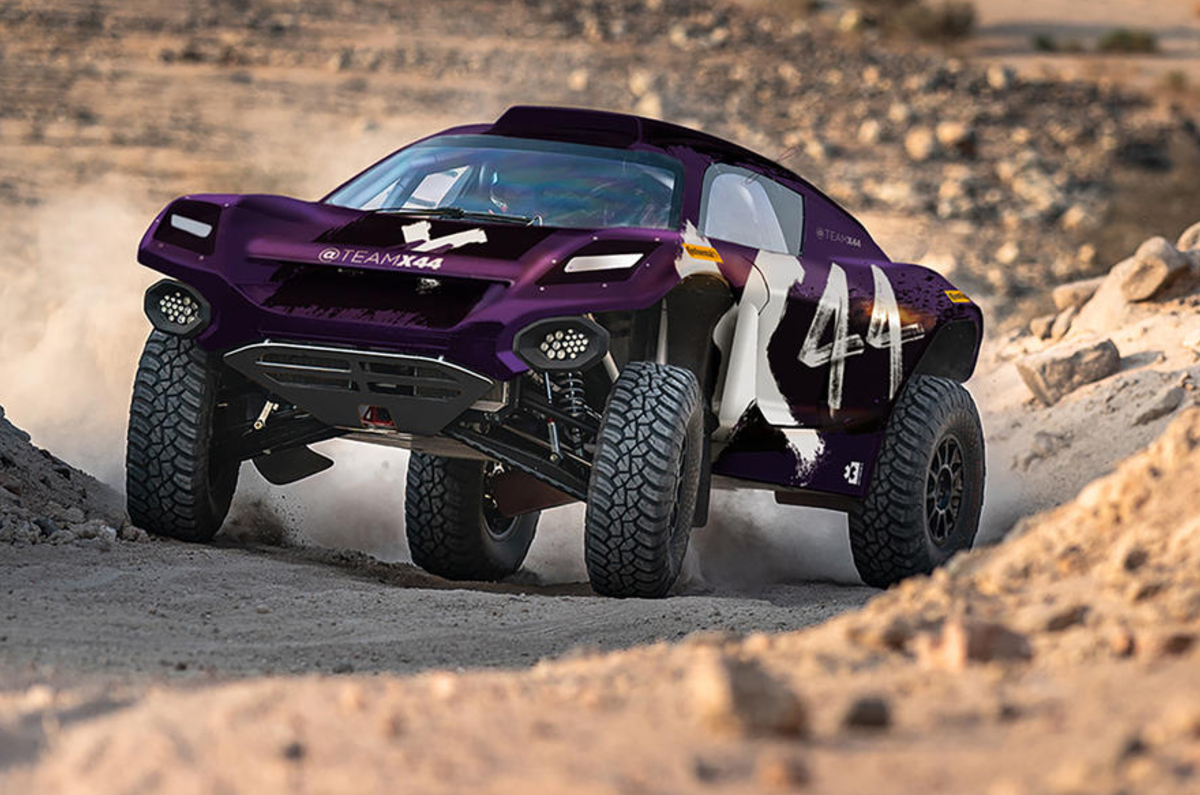
Six-time F1 world champion Lewis Hamilton, will enter his own team in the inaugural season of the Extreme E electric off-road racing series, which kicks off in January 2021. The British racer will back the X44 team – named after Hamilton’s own racing car number – in the one-make series for 543hp four-wheel-drive Odyssey 21 SUVs.

  • Hamilton launches his own X44 race team
  • The team will make its debut in the inaugural Extreme E season
  •  Hamilton indicates team will provide opportunities to younger drivers

How involved will Hamilton be in the X44 Extreme E team?

As founder of the X44 team, Hamilton will not be behind the wheel or involved on a day-to-day basis. “It will be fun to have a different role from being the team driver,” the F1 2020 championship leader said.

“What's most appealing, though, is that Extreme E will  not only be raising awareness of some of the most critical environmental issues facing our planet but also doing something about it through working with local charitable organisations.”

He added: “Every single one of us has the power to make a difference, and it means so much to me that I can use my love for racing with my love for our planet, to have a positive impact.”

X44 is the eighth team to sign up to Extreme E, joining a list including Formula E teams Techeetah, Abt, HWA and Andretti, plus leading US squad, Chip Ganassi Racing.

What is the Extreme E series?

Created by Formula E founder Alejandro Agag, Extreme E has been developed to highlight environmental issues and will stage a series of ‘X Prix’ events in five remote, environmentally damaged locations. The first of these events will take place in Senegal on January 22-24, 2021. This will be followed by races in Saudi Arabia, Nepal, Greenland and Brazil.

Extreme E teams are required to field two-driver teams comprising one male and one female. While there's no word on who will drive for X44 when the series starts early next year, the team indicated it will “provide opportunities to the next generation of drivers”.

Also see:

F1 2020: Gasly fends off Sainz to win dramatic Italian GP

Renault F1 team to be rebranded Alpine from 2021


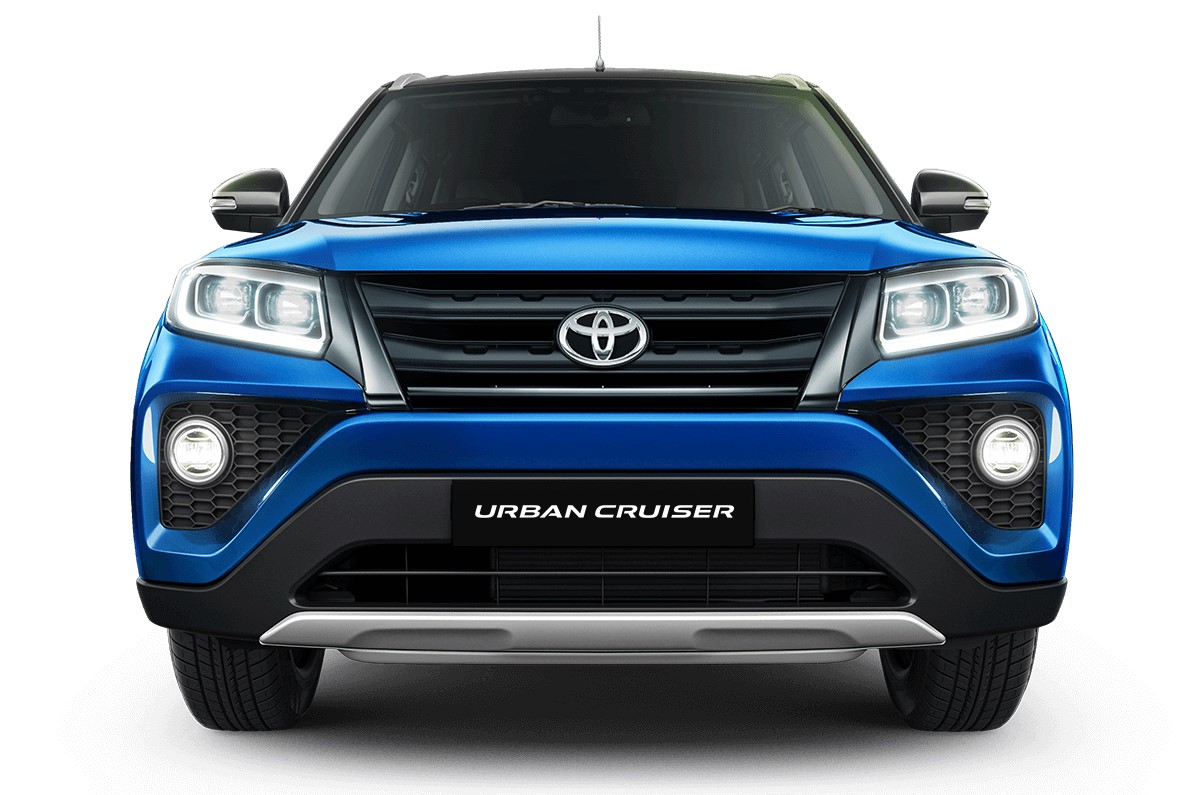
Toyota Urban Cruiser variant details revealed

The Toyota Urban Cruiser launch is just around the corner and we have received new details about the variants it will be available in. The compact SUV will be available in three trim levels – Mid, High and Premium.

  • 4-speed automatic gearbox available on all three variants
  • LED headlamps, keyless go and auto climate control are standard
  • Based on VXi, ZXi and ZXi+ trims of the Maruti Vitara Brezza

What are the engine and gearbox options?

The Urban Cruiser is the second shared model in the Toyota-Maruti Suzuki partnership in India, following the Toyota Glanza which arrived last year. The Urban Cruiser, like its sister car, the Maruti Vitara Brezza, will be available solely with a 105hp, 1.5-litre petrol engine paired with either a 5-speed manual or a 4-speed torque-converter automatic. As with the Brezza, the automatic gearbox-equipped variants will get mild-hybrid technology. We also have a detailed look at how the Urban Cross compares to the competition on paper.

What equipment will you get in each variant?

Comparing the equipment list with that of the Vitara Brezza, you will notice the Urban Cruiser’s three variants are based on the VXi, ZXi and ZXi+ variants of the Maruti compact SUV. This means even the base version of the Urban Cruiser will come quite decently specced. Let’s take a look at some of the equipment each variant will get:

Toyota Urban Cruiser Mid (5-speed MT/4-speed AT)

  • LED projector headlamps
  • LED DRLs
  • LED tail-lamps
  • 16-inch steel wheels
  • 2-DIN audio system with USB, aux and Bluetooth connectivity
  • Steering mounted audio controls
  • Key-less entry and go
  • Auto climate control

Toyota Urban Cruiser High (5-speed MT/4-speed AT)

In addition to the Urban Cruiser Mid:

  • 16-inch alloy wheels
  • 7.0-inch touchscreen infotainment system
  • Android Auto/Apple CarPlay
  • Cruise control

Toyota Urban Cruiser Premium (5-speed MT/4-speed AT)

In addition to the Urban Cruiser High:

  • LED fog lamps
  • 16-inch diamond-cut alloy wheels
  • Auto-dimming inside rear view mirror
  • Rain-sensing wipers

What colour options will be available?

The Urban Cruiser will be available in a choice of six, single-tone exterior paint shades, with the Premium trim additionally getting three dual-tone options. Single-tone colour options include – Sunny White, Iconic Grey, Suave Silver, Rustic Brown, Spunky Blue and Groovy Orange. Of these, it’s the latter three which are available with the dual-tone finish – the brown and blue shades paired with a black roof, while orange is paired with a white roof.

How is the Urban Cruiser different from the Vitara Brezza?

While the Toyota Glanza and Maruti Baleno had little to tell them apart, the Urban Cruiser gets more notable changes. Compared to the Vitara Brezza, it gets a new grille and front bumper on the outside, while inside the cabin, the seats are finished in brown fabric upholstery in place of the Brezza’s black upholstery.

What are its rivals?

The Toyota Urban Cruiser will be Toyota’s first model in the hotly contested compact SUV segment, and will rival the Maruti Suzuki Vitara Brezza, Ford EcoSport, Hyundai Venue, Kia Sonet, Tata Nexon and Mahindra XUV300. Expect prices to be in the region of Rs 8.5-11.5 lakh (ex-showroom). Bookings for the Urban Cruiser are currently open.

Also see:

Toyota Urban Cruiser image gallery

Toyota Gazoo Racing products headed to India

Toyota RAV4 SUV India launch by mid-2021

New car unveils and launches in September 2020


D'ecore your car